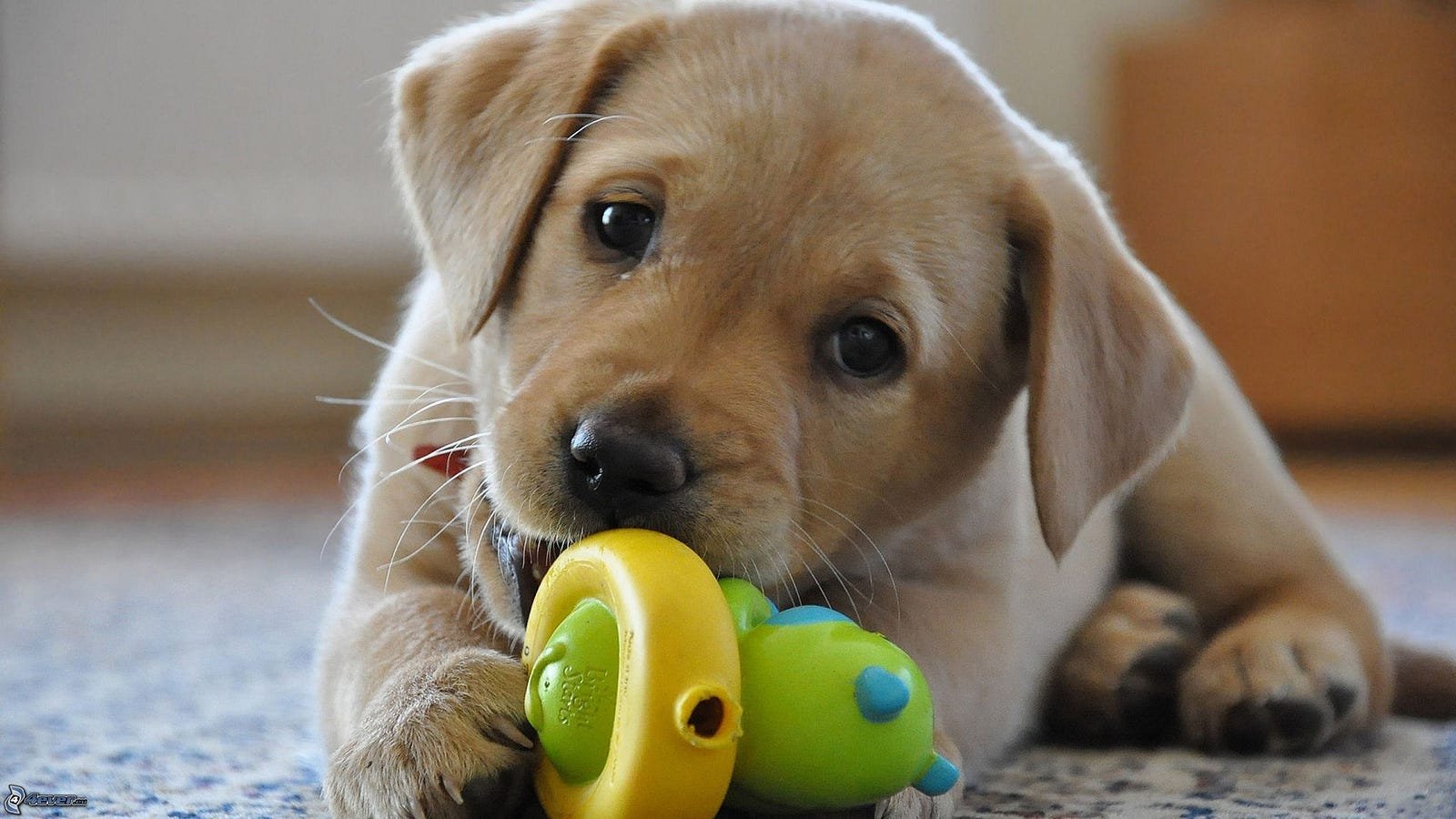
Those needle-sharp puppy teeth can turn cuddle time into an endurance test. The good news is that biting is one of the most normal puppy behaviors there is. Puppies explore the world with their mouths, play with their littermates using their teeth, and go through intense teething phases. Biting is not aggression, and it is not a sign of a “bad” dog.
That said, it still needs to be addressed. Professional dog trainers agree that the goal is not to punish mouthing but to teach bite inhibition: the ability to control the force of the mouth. These seven techniques work because they teach rather than punish.
Why Puppies Bite (It’s Not Aggression)
Puppies bite for a handful of understandable reasons. Teething, which peaks between three and six months, makes their gums sore and chewing relieves the pressure. Play biting is how puppies learned to interact with their siblings, and they naturally extend that style to people. Overtired puppies also bite more, much like overtired toddlers get cranky and wild.
Understanding the cause helps you pick the right response. A teething puppy needs chew outlets. A tired puppy needs a nap. A playful puppy needs to learn the rules of human play. Punishment-based responses like alpha rolls, muzzle grabs, or yelling may suppress biting in the moment, but trainers warn they can increase anxiety and damage the trust your puppy is building with you.
The 7 Proven Techniques
1. Redirect to an appropriate toy. The moment teeth touch skin, calmly offer a chew toy instead. Keep toys within arm’s reach in every room during the early months. Trainers recommend making the toy more exciting than your hand by wiggling it and praising the puppy for grabbing it. Repetition teaches the rule: toys are for chewing, people are not.
2. Use the “ouch” pause. When your puppy bites too hard, give a calm, brief “ouch” and immediately stop all interaction for ten to twenty seconds. Turn away, fold your arms, and become boring. This mimics how puppies learn from littermates: hard biting ends the fun. Resume play only when the puppy is calm.
3. Enforce regular naps. Young puppies need eighteen to twenty hours of sleep per day, and most biting frenzies happen when they are overtired. Schedule crate or pen naps every one to two hours of wake time. Many owners are amazed at how much the biting drops once the puppy is actually rested.
4. Keep play calm and structured. Rough wrestling, hand-chasing games, and letting kids shriek and run all rev puppies up and trigger harder biting. Play tug and fetch with toys instead, and teach children to “be a tree” (stand still, arms folded) when the puppy gets mouthy.
5. Reward gentle behavior. Catch your puppy being good. When he licks instead of bites, takes a treat gently, or settles beside you calmly, mark and reward it. Positive reinforcement trainers emphasize that behaviors that get rewarded get repeated, so make gentleness the most profitable choice your puppy can make.
6. Provide legal chew outlets. A puppy that has nothing appropriate to chew will chew something inappropriate, including you. Offer a rotation of safe chews: rubber toys stuffed with frozen food, puppy-safe dental chews, and frozen carrots or wet washcloths during teething. A tired jaw is a quieter jaw.
7. Get the whole household consistent. Training fails when one person allows mouthing while another corrects it. Agree on one set of rules and one set of responses, and make sure guests and kids follow them too. Consistency across people is what turns a technique into a learned habit.
What Not to Do
Avoid physical punishment, scruff shakes, and holding the puppy’s mouth shut. These methods can create fear and defensive aggression without teaching the puppy what to do instead. Also avoid “hand play” where fingers become the toy, even if it seems cute with an eight-week-old puppy. That puppy will be much bigger in four months, and the habit will be much harder to break.
When Biting Needs Professional Help
Most puppy biting fades significantly by six months as teething ends and training takes hold. Consult a certified professional dog trainer or a veterinary behaviorist if the biting intensifies with age, breaks skin regularly, is paired with growling, stiffening, or guarding behavior, or if you feel afraid of your own puppy. Early professional guidance prevents small problems from becoming big ones.
Puppy biting is a phase, not a personality. With patience, consistency, and the techniques above, your land shark will grow into a dog with a gentle mouth and good manners.
#PuppyTraining #PetTraining #PuppyTips #DogBehavior