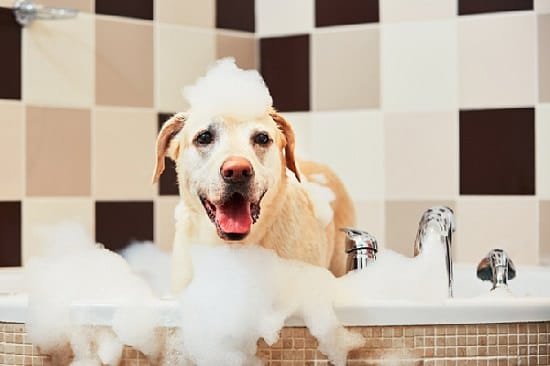
Ask five dog owners how often they bathe their dogs and you will get five different answers, from weekly to twice a year. The truth is that veterinarians and professional groomers agree on one thing: the right bathing schedule depends on the dog. Bathing too often can dry out skin, while bathing too rarely lets odor, dirt, and allergens build up.
Here are the vet-backed guidelines for finding your dog’s sweet spot.
The Short Answer: It Depends on the Dog
For most healthy dogs with normal skin, veterinarians generally suggest a bath every four to eight weeks. This range keeps the coat clean without stripping the natural oils that protect skin and fur. But that is a starting point, not a rule. Your dog’s breed, coat type, lifestyle, and skin condition all shift the ideal frequency in one direction or the other.
Dogs with certain medical conditions, such as seborrhea or yeast overgrowth, may need medicated baths on a schedule their veterinarian prescribes, sometimes as often as twice a week during treatment. Always follow your vet’s instructions for medicated bathing, since the shampoo, contact time, and frequency are part of the treatment.
How Coat, Lifestyle, and Health Set the Schedule
Coat type matters most. Oily-coated breeds like Basset Hounds tend to develop odor faster and may need baths every few weeks. Double-coated breeds like Huskies and Golden Retrievers usually do well with less frequent bathing, since their dense undercoat regulates itself and over-bathing can damage it. Hairless breeds are a special case: without fur to absorb skin oils, they often need weekly baths to prevent clogged pores and breakouts.
Lifestyle shifts the schedule. A farm dog that swims in ponds and rolls in mud needs more baths than an apartment dog that mostly naps on the couch. Dogs with outdoor allergies often benefit from more frequent rinsing or bathing during high-pollen seasons, since washing removes allergens from the coat. Veterinary dermatologists commonly recommend a simple water rinse or paw wipe after walks as a middle ground between full baths.
Skin health sets the limits. Dogs with dry, flaky, or sensitive skin generally need fewer baths and gentler products. Dogs with oily or yeasty skin may need more. If your dog’s skin reacts to bathing with itching or redness, that is a signal to bathe less often, switch products, or check in with your vet.
Signs Your Dog Needs a Bath Sooner
Forget the calendar and watch the dog. Schedule a bath when you notice a persistent doggy odor that does not fade after brushing, a dull or greasy coat, visible dirt or debris, itchy scratching that brushing does not relieve, or muddy paws after outdoor adventures. Dogs that swim in chlorinated pools, salt water, or lakes should be rinsed afterward, since chlorine, salt, and stagnant water can irritate skin and dry out coats.
Bathing Basics That Protect Skin and Coat
When bath day comes, technique matters as much as timing. Always use a shampoo formulated for dogs, never human shampoo, which is too acidic for canine skin and can cause dryness and irritation. Lukewarm water is the right temperature; hot water dries skin and cold water makes the experience miserable.
Brush before bathing to remove loose fur and mats, which tighten when wet. Work the shampoo from neck to tail, avoiding the eyes and inner ears, and rinse thoroughly. Leftover shampoo residue is a common cause of post-bath itching. Dry the coat well, especially in thick-coated breeds where trapped moisture can lead to hot spots.
Between baths, regular brushing does much of the work: it distributes natural oils, removes loose fur and dirt, and reduces odor. For many dogs, a good brushing routine means fewer baths are needed at all.
If you are ever unsure about your dog’s bathing schedule, ask your veterinarian or groomer at the next visit. They can tailor a routine to your dog’s specific coat and skin, which beats any generic calendar.
#DogCare #DogGrooming #PetCare #HealthyDog