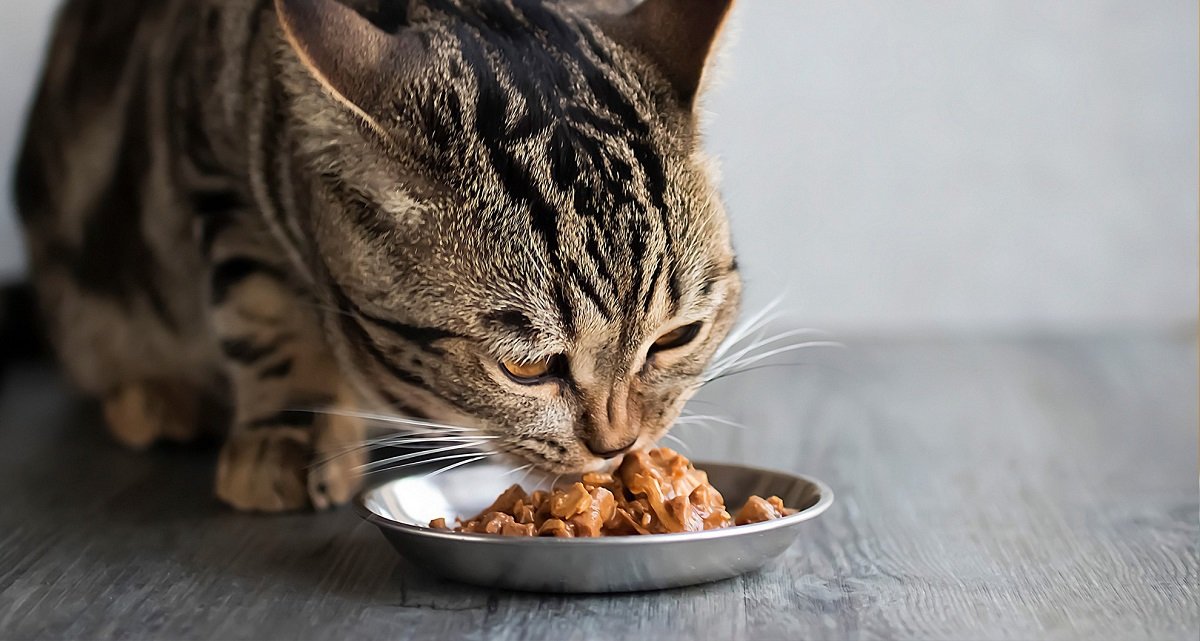
Few things are more unpleasant than stepping in a pile of undigested cat food first thing in the morning. Vomiting after eating is one of the most common reasons cat owners call their veterinarian, and it spans a wide range, from a harmless quirk of eating too fast to a symptom of serious illness.
Learning to tell routine episodes from warning signs helps you respond calmly and appropriately. Here is how veterinarians say to think about it.
Common (and Usually Harmless) Causes
Eating too fast. The number one cause of vomiting right after meals is speed eating. Cats that gulp food swallow air and overload the stomach, which rejects the meal minutes later. This is especially common in multi-cat households where competition speeds everyone up, and in cats switched to a food they find irresistible.
Regurgitation vs. vomiting. What looks like vomiting is often regurgitation: a passive process where undigested food comes back up without abdominal heaving, usually within minutes of eating. True vomiting involves retching and partially digested food or bile. Regurgitation after fast eating is common and usually benign, though frequent regurgitation still deserves a vet’s attention.
Hairballs. Cats groom constantly and swallow fur, which usually passes through the digestive tract. When it does not, it comes back up, sometimes mixed with food. Long-haired cats and heavy groomers are most affected. Regular brushing dramatically reduces hairball vomiting.
Dietary indiscretion. Eating something unusual, from a new treat to a houseplant to table scraps, can trigger a one-time episode. A sudden food change without a gradual transition is another classic trigger. Most cats bounce back within a day once the offending item is gone.
Red Flags That Mean Call Your Vet
Contact your veterinarian promptly if you notice any of the following: vomiting that happens frequently (several times a week or daily), blood in the vomit, repeated vomiting with nothing coming up, lethargy or hiding, loss of appetite lasting more than a day, diarrhea alongside vomiting, a swollen or painful belly, or noticeable weight loss.
Kittens, senior cats, and cats with known conditions like kidney disease or diabetes warrant faster action, since they dehydrate more quickly. A single episode in an otherwise bright, hungry cat is rarely an emergency; a pattern of episodes is always worth investigating. Persistent vomiting can signal conditions ranging from food allergies and inflammatory bowel disease to pancreatitis, intestinal blockages, or organ disease, and only diagnostic testing can sort them out.
What to Do After a Vomiting Episode
For a one-time episode in a cat that otherwise seems fine, veterinarians generally recommend withholding food for a few hours (not a full day, since cats should not go long without eating), then offering a small bland meal. Keep fresh water available unless your vet advises otherwise. Watch the litter box and energy level over the next twenty-four hours.
Do not reach for human stomach remedies or anti-nausea medications without veterinary guidance. Many human drugs are toxic to cats, and masking symptoms can delay diagnosis of the real problem. If the vomiting repeats within the day or your cat seems unwell, skip home management and call the clinic.
Long-Term Prevention Strategies
For cats prone to speed-eating vomits, slow-feeder bowls, puzzle feeders, and smaller, more frequent meals often solve the problem entirely. Elevating the food bowl slightly helps some cats, though evidence is limited and it works best combined with slower eating.
Brush long-haired cats several times a week and short-haired cats weekly to cut down on swallowed fur. Transition between foods gradually over seven to ten days. Keep hairball-control treats or vet-approved hairball formulas in mind for chronic groomers, and discuss them with your vet first.
Finally, keep a simple log: date, what was eaten, and what the vomit looked like. Patterns that are invisible day to day become obvious on paper, and that log is genuinely useful to your veterinarian.
An occasional post-meal episode is part of cat ownership. But when vomiting becomes a habit, your cat is asking for help. Listen early, act on the red flags, and partner with your vet to keep mealtimes uneventful.
#CatHealth #PetHealth #CatCare #VetAdvice